Emergency Maintenance Protocols That Cut Chaos for Landlords
By PropFlow Team · Sep 18, 2026 · 10 min read
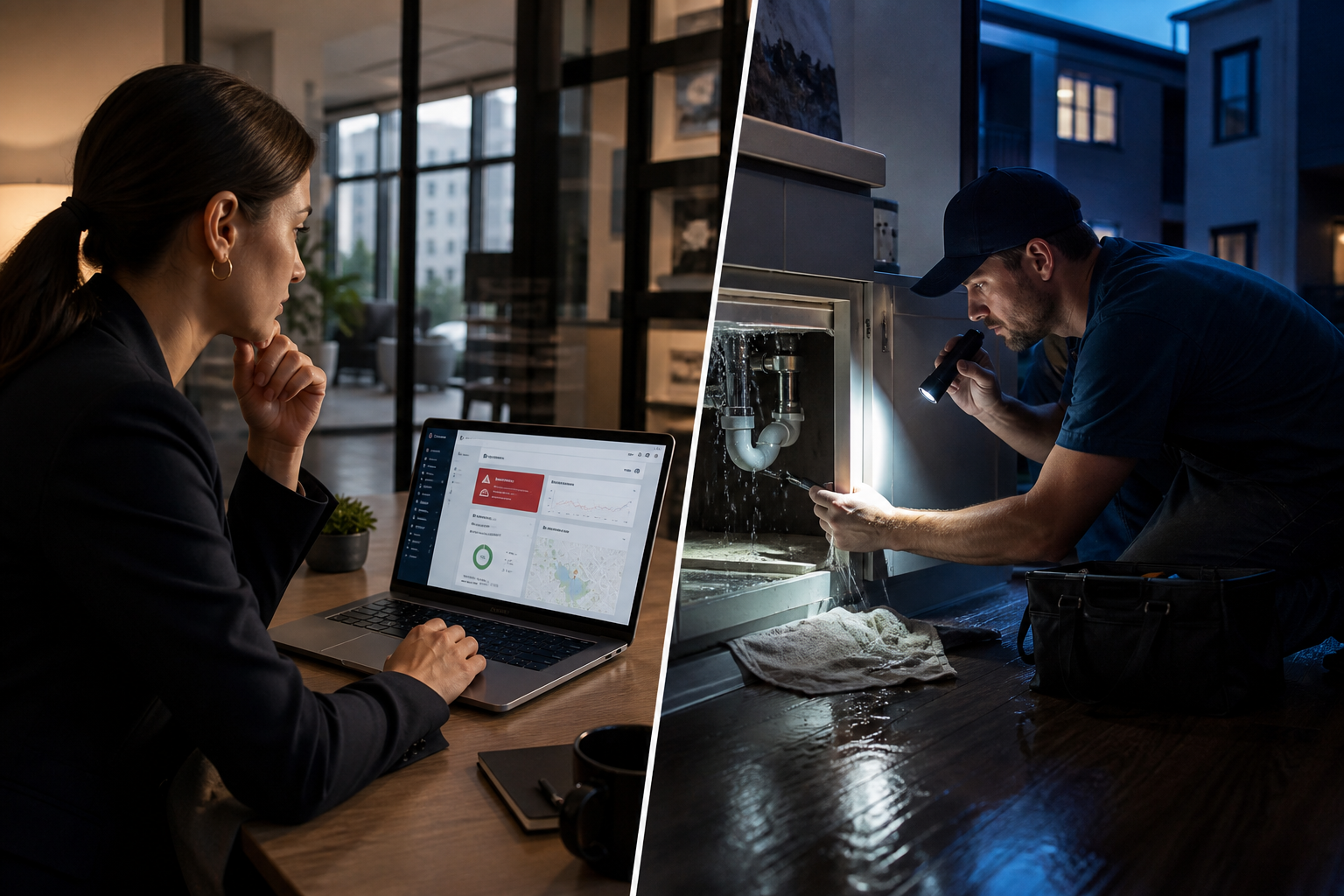
When a pipe bursts at 11:40 p.m. or a furnace fails during a cold snap, the real problem is rarely just the repair. The bigger risk is a broken workflow: missed calls, unclear responsibility, slow vendor dispatch, poor documentation, and frustrated residents. Strong emergency maintenance protocols help landlords respond faster, protect habitability, and reduce costly operational mistakes.
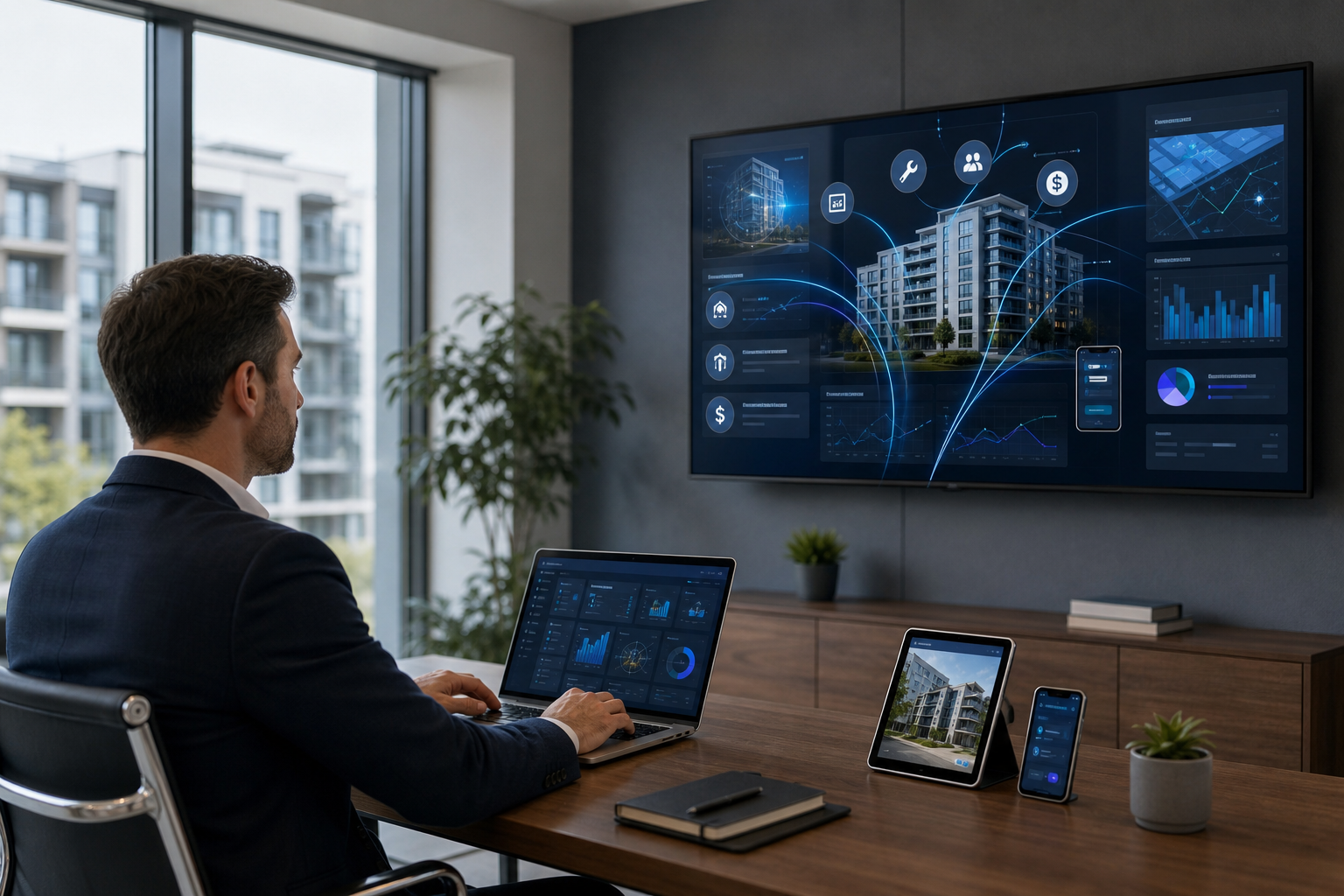
Modern property management software does more than collect maintenance requests. It creates a repeatable emergency response system that helps landlords triage issues, notify the right people, track every action, and close the loop with tenants and vendors in one place.
Why emergency maintenance protocols matter more than most landlords think
Every landlord knows emergencies are expensive. What is easier to overlook is how often the biggest losses come from delays and confusion rather than the original incident itself. A small leak becomes major water damage because no one saw the voicemail. A lockout escalates into a safety complaint because the on-call process was never documented. A heating outage turns into a legal issue because there was no record of tenant communication or repair attempts.
Clear emergency maintenance protocols help landlords:
- Protect resident safety
- Reduce property damage and remediation costs
- Improve response times after hours
- Create consistent staff and vendor handoffs
- Maintain better records for insurance and compliance
- Strengthen tenant trust during high-stress situations
For operators still managing emergencies through phone trees, texts, spreadsheets, or scattered inboxes, this is where property management software becomes operationally important, not just convenient.
What counts as an emergency maintenance issue?
Not every urgent-sounding request is a true emergency. A reliable protocol starts with clear definitions so tenants, staff, and vendors know what requires immediate action.
Common true emergencies
Most landlords classify these as emergency maintenance situations:
- Active water intrusion or burst pipes
- No heat during extreme cold, where habitability is affected
- No air conditioning during dangerous heat conditions, depending on local rules
- Sewer backups
- Gas smells or suspected gas leaks
- Electrical hazards, sparking outlets, or partial fire events
- Flooding
- Broken exterior doors or windows that create immediate security risks
- Fire, smoke, or carbon monoxide alarm-related hazards
Common non-emergencies that still need quick service
These are important, but usually not emergency dispatch issues:
- Dripping faucets
- Cosmetic damage
- Appliance malfunctions without safety concerns
- Routine pest sightings, unless severe
- One clogged sink when other fixtures work
- Minor door hardware issues
The key is not just making a list. It is making sure residents can easily understand the difference when submitting a request, especially from a tenant portal or mobile device.
The real workflow problem: emergency maintenance breaks down in the handoff moments
Most emergency failures happen at the transition points:
- The tenant reports the issue unclearly.
- The message goes to the wrong person or sits unread.
- Nobody verifies severity fast enough.
- A vendor is called without enough information.
- The tenant gets no status update.
- The landlord has poor records for follow-up, billing, or insurance.
This is why emergency maintenance protocols need to be built around workflow, not just policy. A written procedure in a binder does not help much when the emergency begins through a late-night call, text, portal message, or voicemail.
A modern system centralizes requests, timestamps communication, routes issues based on urgency, and stores photos, notes, approvals, and invoices together. That turns a stressful event into a managed process.
The core components of an effective emergency maintenance protocol
A useful protocol should be practical enough for a solo landlord and structured enough for a growing portfolio.
1. Clear intake instructions for tenants
Residents should know exactly how to report emergencies and what information to provide. Good intake instructions ask for:
- Unit number and property address
- Type of emergency
- When the issue started
- Whether the issue is actively worsening
- Photos or video, if safe to provide
- Whether emergency services or a utility provider have been contacted
- Best callback number
Software helps by standardizing submission forms and guiding residents through the right questions. Instead of receiving a vague message like “there’s a problem in the bathroom,” landlords get structured information they can act on immediately.
2. A severity-based triage system
Every emergency maintenance protocol should assign a response category. For example:
- Priority 1: Immediate life safety hazard; dispatch now and advise tenant on safety steps
- Priority 2: Urgent habitability or active damage issue; same-day response
- Priority 3: Important but stable issue; next-business-day scheduling
With software, these categories can trigger different workflows automatically, including alerts, task assignment, and vendor routing.
3. On-call roles and escalation paths
Someone must own the next step every time. A good protocol identifies:
- First responder or on-call contact
- Backup contact if no response within a set window
- Approved emergency vendors by trade
- Escalation rules for owner approval, insurance notification, or relocation decisions
Without this structure, emergencies stall while staff figure out who is supposed to act.
4. Pre-vetted vendor dispatch
Emergency repairs move faster when vendors are already approved, insured, and categorized by service area. Keeping this information inside a platform matters because during an active emergency, nobody wants to search old emails for plumber contact details or pricing history.
Many landlords benefit from storing:
- Trade specialty
- Service area
- After-hours availability
- Insurance and license records
- Rate sheets
- Past work notes
This is where centralized PropFlow features can support a more dependable emergency repair process.
5. Resident communication templates
During an emergency, tenants want two things: signs of progress and realistic expectations. Templates help landlords communicate clearly and professionally.
Useful message templates include:
- Request received and under review
- Safety instructions while waiting for service
- Vendor dispatched with ETA window
- Access instructions needed
- Repair completed and follow-up requested
Consistent communication reduces repeat calls, protects trust, and creates a documented record of responsiveness.
6. Documentation for insurance, compliance, and follow-up
Emergency maintenance is not over when the vendor leaves. Landlords often need records for insurance claims, owner reporting, resident disputes, and preventive planning.
A complete file should include:
- Original report time and source
- Photos or videos before and after repair
- Notes on phone calls and decisions
- Dispatch time and vendor acceptance
- Invoice and parts details
- Any resident compensation or temporary accommodation notes
How modern property management software solves the workflow problem
The operational value of software shows up in speed, visibility, and consistency. Instead of treating each emergency as a custom event, landlords can run a repeatable system.
Faster intake and smarter triage
When residents submit requests through a portal, software can require essential details and attachments before the request is logged. That improves first-response quality and reduces time spent chasing basic information.
Some teams also create emergency-specific request categories so issues like leaks, HVAC failures, electrical hazards, and lockouts are tagged immediately and surfaced at the top of the queue.
Automatic alerts and assignment
A strong platform reduces the risk of missed requests by sending real-time alerts to the designated on-call person. Internal assignments can be based on property, issue type, or severity level, making response more consistent after hours.
This is especially useful for teams managing multiple buildings, scattered-site rentals, or rotating staff schedules.
One place for tenants, staff, and vendors
Emergency maintenance tends to fragment across channels. The tenant sends a portal message, the manager texts a vendor, the vendor emails an invoice, and the owner later asks what happened. Software pulls those interactions into one record.
That shared visibility helps prevent duplicate dispatches, missed updates, and billing confusion.
Better after-hours control
Landlords often worry that digital systems will encourage more emergency requests. In practice, the opposite is often true when the intake process is designed well. Residents are guided to identify whether their issue is a true emergency, what immediate safety steps to take, and when a next-day request is more appropriate.
That filtering helps reduce unnecessary after-hours calls without discouraging legitimate reports.
Stronger reporting over time
Emergency maintenance patterns reveal operational risk. Are the same buildings producing repeat plumbing failures? Are certain vendors too slow after hours? Are HVAC emergencies spiking because preventive service is inconsistent?
By tracking categories, response times, and repair outcomes, landlords can shift from reactive maintenance to prevention. That is one of the biggest long-term advantages of using property management software instead of manual tracking.
A practical emergency workflow landlords can implement today
If you want a protocol that actually works under pressure, build it around these steps.
Step 1: Define emergencies in plain language
Write a tenant-facing list of what is and is not an emergency. Keep it simple and property-specific where needed.
Step 2: Standardize reporting channels
Use one primary method for emergency intake, ideally through a platform that captures time, issue type, attachments, and contact information.
Step 3: Set response time targets
Examples might include:
- Acknowledge within 15 minutes for Priority 1
- Dispatch within 30 minutes when a vendor is required
- Provide resident status updates every 30 to 60 minutes until stabilized
Step 4: Build your vendor bench before you need it
Line up backup vendors, verify documentation, and note who handles nights, weekends, and holidays.
Step 5: Use templates for communication
Prepare messages for common scenarios like leaks, no heat, lockouts, and electrical issues.
Step 6: Review every major incident
After resolution, ask:
- Was the issue categorized correctly?
- Was response time acceptable?
- Did any communication fail?
- Does the property need preventive work?
Common mistakes landlords make with emergency maintenance protocols
Even experienced operators can leave gaps in the system. Watch for these common problems:
Treating the protocol as a document instead of a workflow
If staff cannot follow it easily at night or from a phone, it is not operational.
Relying on one person’s memory
Emergency maintenance should not depend on one manager knowing which vendor to call or where prior records live.
Failing to document tenant instructions
If a resident is told to shut off a water valve, call the gas company, or wait outside for safety reasons, that instruction should be logged.
Not separating urgent from emergency
When everything is marked urgent, true emergencies lose visibility.
Ignoring recurring incident data
Repeat emergencies often point to deferred maintenance, outdated systems, or weak vendor performance.
Landlords trying to modernize this part of operations should review available tools, workflows, and plan options before choosing a platform. Comparing software pricing options and process-support capabilities can help identify the right fit for the size of your portfolio.
Emergency readiness is also a leasing and retention advantage
Residents remember how a landlord responds when something goes wrong. Fast, organized emergency response builds trust in a way marketing never can. It reassures tenants that the property is professionally managed and that their safety matters.
That reputation helps support retention, reviews, and future leasing performance. If you already invest in stronger operations across marketing and leasing, such as better rental listing workflows, emergency maintenance is the next place where process quality becomes visible to residents.
Actionable takeaways
Here is the short version landlords can act on right away:
- Define what qualifies as emergency maintenance in plain language
- Centralize emergency request intake in one system
- Use severity levels to guide response times and dispatch
- Keep approved after-hours vendors organized and current
- Communicate with tenants using consistent status updates
- Document every step for compliance, billing, and insurance
- Review incident data to prevent repeat emergencies
A strong protocol is not just about fixing problems faster. It is about reducing chaos, protecting residents, and creating a more resilient operation.
Final thoughts
Emergency maintenance protocols are one of the clearest tests of whether a rental operation is truly organized. When the workflow depends on scattered texts, handwritten notes, and whoever happens to be awake, response quality suffers. When the process is centralized, trackable, and repeatable, landlords can move faster with less stress and better outcomes.
If you want to build a cleaner emergency maintenance workflow from intake to resolution, explore PropFlow’s tools for modern operators, browse more ideas on the PropFlow blog, or get started with a free account on the signup page.
Frequently Asked Questions
What is considered an emergency maintenance issue in a rental property?
Emergency maintenance usually includes issues that threaten safety, security, or habitability, such as burst pipes, active leaks, no heat in dangerous weather, gas odors, electrical hazards, sewer backups, flooding, or broken entry points that create a security risk.
How quickly should landlords respond to emergency maintenance requests?
Landlords should acknowledge true emergencies as quickly as possible, ideally within minutes, and begin triage or dispatch immediately based on severity. Exact expectations vary by local law, lease terms, and the nature of the issue.
How does property management software improve emergency maintenance response?
Property management software improves response by centralizing requests, collecting structured issue details, sending instant alerts, assigning tasks, tracking vendor dispatch, documenting communication, and storing repair records in one place.
Should tenants use the same process for emergencies and routine repairs?
No. Tenants should have clear guidance on which issues are emergencies and which are routine maintenance. A good system separates them so true emergencies receive immediate attention while standard repairs are scheduled normally.
What should landlords document during an emergency repair?
Landlords should document the report time, issue description, photos, resident communication, safety instructions given, vendor dispatch timing, work completed, invoices, and any follow-up or insurance-related notes.